

AirPlus Renewables is introducing Edge Wind Tech, a new approach to small-scale wind generation designed around a simple idea: useful wind energy may already be much closer than we think.
For decades, wind power has been shaped by one familiar assumption: bigger means better. Taller turbines, longer blades and remote locations have helped utility wind become a major part of the energy mix, but that model cannot answer every site, every building or every demand profile. Edge Wind Tech asks a different question. Instead of only chasing perfect wind conditions far away, what if we captured the wind already moving around our buildings, roads, estates and infrastructure?
"Edge Wind Tech is about generating energy closer to where it is used, in the real conditions where people live, work and operate."

From Bigger Wind To Better Placed Wind
Traditional wind turbines are usually designed for consistent, uninterrupted airflow. That is why they are often placed high above the ground, offshore, or in wide open spaces. The built environment is different. Wind around buildings, roads and industrial sites changes direction, varies in speed and can become turbulent.
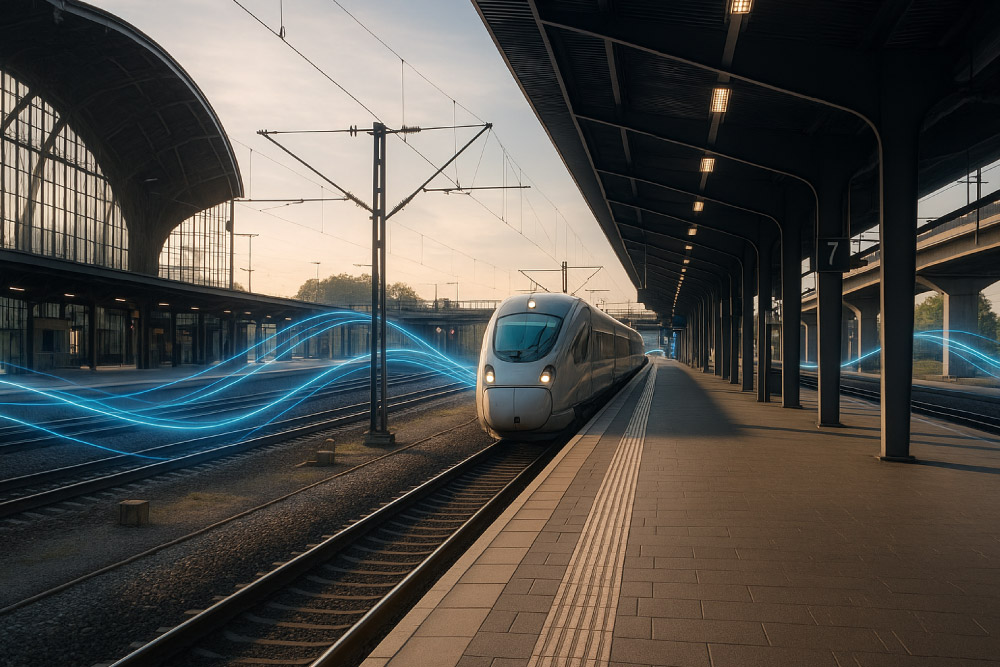
For a long time, those conditions made urban and building-level wind generation feel difficult to use. Edge Wind Tech flips that assumption. It is designed to work with practical airflow, including both turbulent and non-turbulent wind, so the edge of buildings, transport corridors and exposed infrastructure can become viable places for clean generation.
Built Environment
Designed for rooftops, building edges, industrial sites and infrastructure where wind already moves.
Variable Airflow
Focused on usable real-world airflow rather than only ideal, uninterrupted wind conditions.
Local Generation
Bringing renewable generation closer to the assets, buildings and operations using the power.
Why The Edge Matters
In the same way that edge computing moved processing closer to where data is created, Edge Wind Tech brings generation closer to where energy is needed. It is decentralised by design, making it suitable for incremental deployment: one unit, a small group of units, or a wider estate-level installation.
The edge of a building is especially important because airflow changes when it meets a structure. Part of the wind continues horizontally while another portion can be pushed upwards along the face of the building. At the edge, those forces can concentrate in ways conventional systems often overlook. In some cases, the available energy at these points can increase by 20 to 40 per cent.

A Different Kind Of Efficiency
Edge Wind Tech is not simply about making turbines larger. It is about capturing more of the wind that is already available in practical conditions. By designing and arranging blades so airflow is handed more continuously from one blade to the next, the system is focused on reducing the gaps where usable energy would otherwise be lost.
That changes the efficiency conversation. The aim is not only theoretical peak performance in perfect conditions, but practical generation in the variable environments where organisations actually need power.
Small-scale wind does not have to mean small impact.
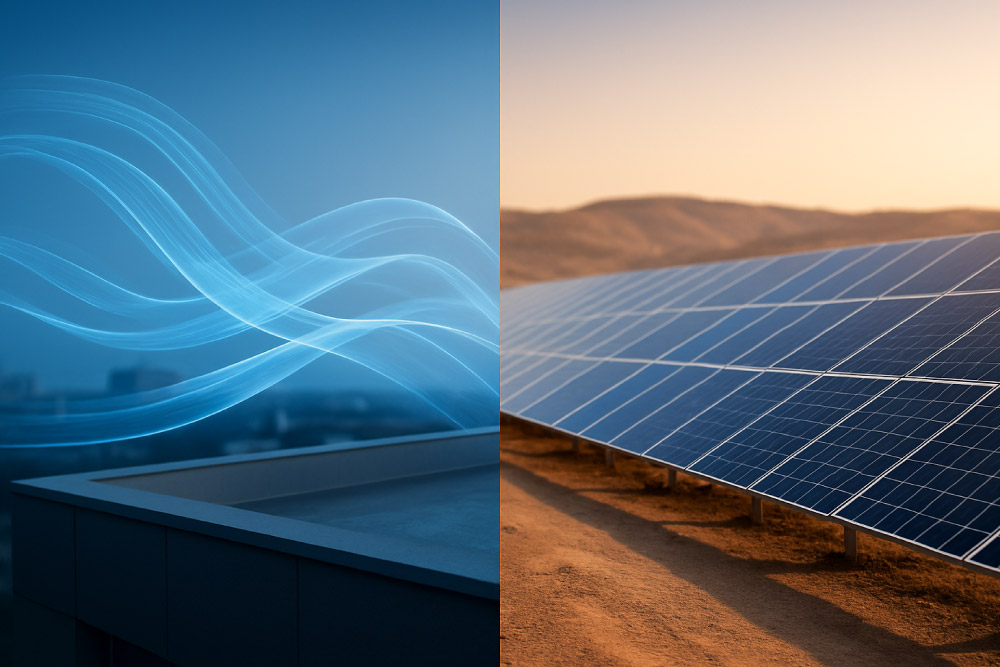
Edge Wind Tech sits in the space between utility-scale wind and rooftop solar, giving buildings and estates another route to local clean generation.
Bringing Generation Closer To Use
One of the most compelling parts of the approach is its practicality. Edge Wind Tech is designed for all environments, but can also sit on existing buildings, with a deployment logic that is closer to familiar rooftop renewable systems than large infrastructure projects.
For energy-intensive sites such as hospitals, data centres, commercial buildings and infrastructure estates, generating electricity closer to use can support resilience, reduce reliance on distant generation and make renewable deployment more flexible.
Working Alongside Solar
Edge Wind Tech is not trying to replace traditional wind farms or solar. Large wind generation will continue to matter, and solar remains an important part of the renewable mix. The opportunity is complementary. Wind is often more useful during energy-demanding winter months, overnight and in low-light conditions when solar output is limited.
That makes Edge Wind Tech an important addition to decentralised energy strategies, especially for buildings and estates that need generation across more hours, more seasons and more real-world weather conditions.

What This Means For AirPlus
The Edge Wind Tech launch gives AirPlus a clear way to explain its position in the renewable market: local, practical and designed for the real world. It resets expectations around small-scale wind and shows how overlooked airflow can become part of a smarter, more distributed energy future.
"The future of wind energy might not only be bigger, taller or further away. It might be closer to the buildings and infrastructure already around us."